Wash your hands and face after working with the pesticide. A systemic pesticide moves inside a plant following absorption by the plant.
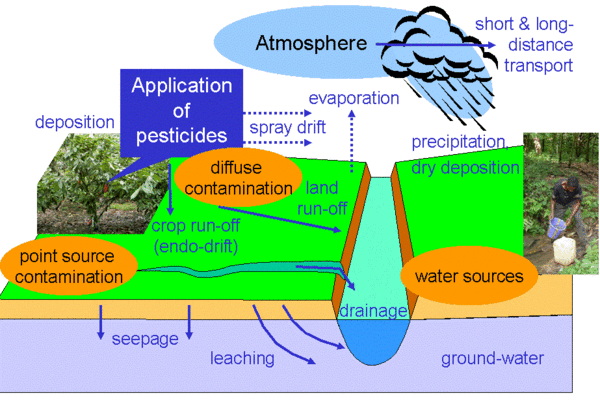 Pesticide Application Wikipedia
It also explains the service HSE provides and gives details of other sources of advice.
How do pesticides work. Pesticides are chemical substances that are meant to kill pests. Use the buddy system if working with highly toxic pesticides. Most are believed safe for humans but best practice is to avoid repeated high doses.
However they can also affect energy production cuticle production the endocrine system and water balance. Due to the severity of the problems associated with pesticide use both scientists and farmers need to work together to develop safer methods of pest control to ensure the production of enough. The chemical produced by the body used to send information through the synapses is called acetycholine.
Change your clothes after applying the pesticide. Most pesticides work by poisoning pests. This site will help you identify biocides and pesticides and work out whether your products are affected by legislation.
They work by disrupting chemical pathways in important metabolic processes. Most pesticides are lethal to target pests when applied at the rate specified on the pesticide label. In general are less persistent in the environment than the organochlorine family.
Antimicrobials control germs and microbes such as bacteria and viruses. Most of these natural or man-made chemicals kill their targets. Contact pesticides have to reach their target directly to be effective.
These work by taking advantage of natural defense chemicals released by plants called phytoalexins which fungi then detoxify using enzymes. How Does Pesticide Work. Pesticides refer to both insecticides and herbicides which are used to kill unwanted insects or plants respectively.
They may be applied to seeds soil or foliage. Some protect crops or livestock by repelling pests. Insecticides that are absorbed by foliage and move through the plant to kill chewing or sucking insects.
All pesticides work by disrupting some natural mechanism within the biology of the targeted plant insect or animal species. Other pesticides move from the site of application to another area in the pest for example. The pesticide interrupts the information being sent by neurotransmitters in the synapses.
The majority of insecticides are chemically engineered or naturally affect the nervous systems of an array of pest insects. An enzyme called cholinesterase binds with acetycholine and allows muscles to rest. In general a pesticide is a chemical or a biological agent such as a virus bacterium antimicrobial or disinfectant that deters incapacitates kills pests.
While natural or organic pesticides will also work if given enough time and patience. Synthetic pesticides often act quickly because they are chemically engineered to target and disrupt specific biological functions within the intended pest. This use of pesticides is so common that the term pesticide is often treated as synonymous with plant protection product.
Most of the pesticides used today affect the way insect neurons receive instructions to function by changing the sodium and potassium balance between the nerve cells. Fungicides control diseases caused by fungi. Always wash before eating or smoking before leaving for the day or after using the toilet.
Protectant fungicides are applied before an infection period begins to protect leaves fruit etc. Reducing or eliminating pesticide use requires careful ecosystem management using crop rotations and good soil health practices to build a population of beneficial microorganisms insects and plants that will do the work of warding off diseases and weeds. Pesticides control pest organisms by physically chemically or biologically interfering with their metabolism or normal behaviour.
These chemical formulations can enter through the body ingestion and inhalation. These pesticides may be classified in several ways. The term -cide comes from the Latin word to kill Algaecides are used for killing andor slowing the growth of algae.
A pesticide is any substance used to kill repel or control certain forms of plant or animal life that are considered to be pests. Most pesticides work by affecting the nervous system of the insect. There are many different types of pesticides each is meant to be effective against specific pests.
Made from carbamic acid. Work with another person so they can watch for signs of any health effects. Insecticides are a form of pesticide which typically work by affecting the nervous system of insects.
They will be effective only on the plant tissue present when the pesticide is applied. How do pesticides work. How Do Pesticides Work.
Control pests by acting on the nervous system interfere with nerve-impulse transmission by disrupting the enzyme cholinesterase that regulates acetylcholine a neurotransmitter.